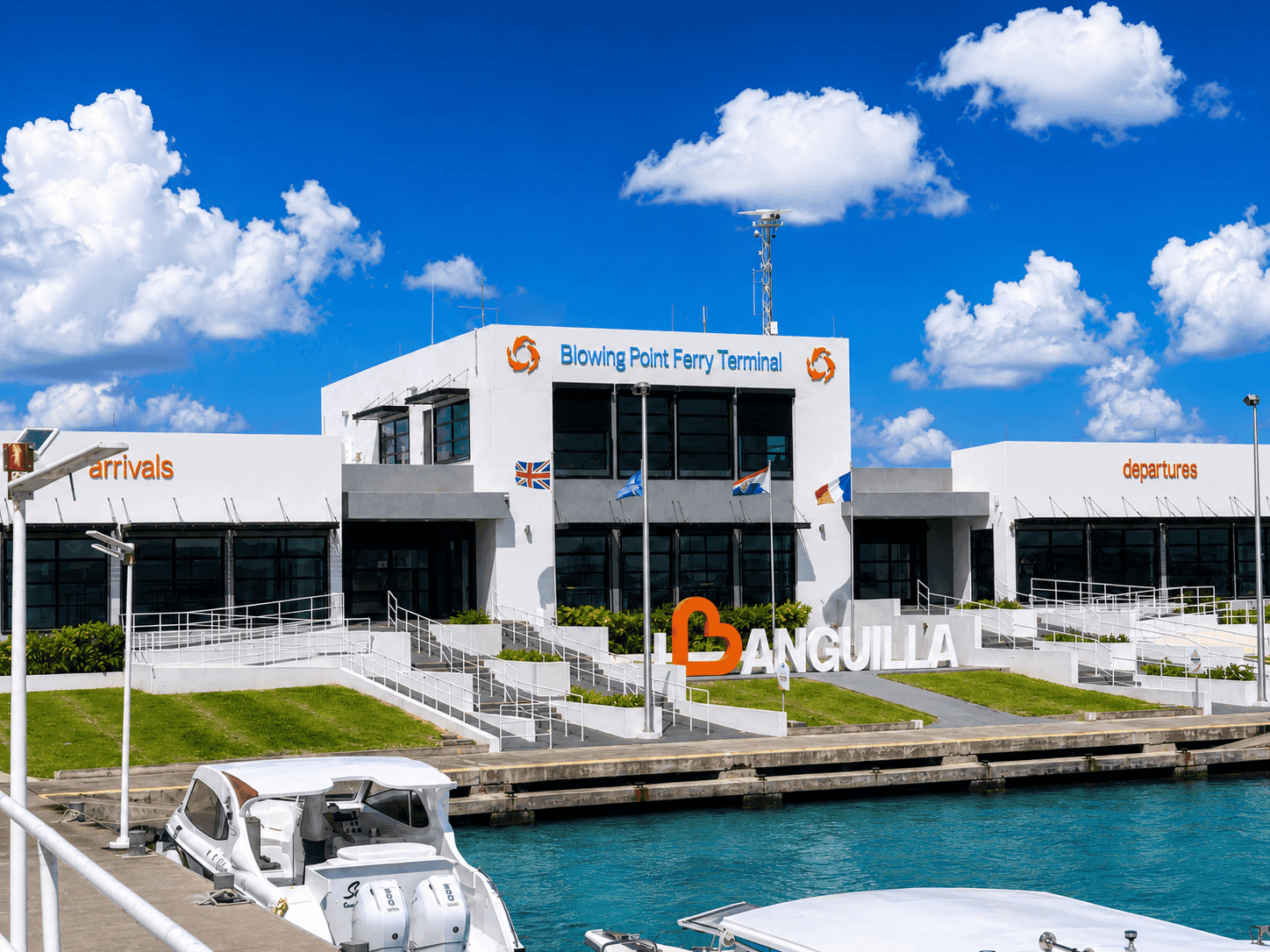

It is one of the most practical questions a traveler asks before booking a trip to Anguilla: if I am coming in July, can I see the exact ferry times now, in March? Here is the answer that actually matters, and it is more concrete than most people expect. The Anguilla Air and Sea Ports Authority publishes the public ferry schedule on a monthly basis, and it releases each new schedule at the beginning of the month. So the confirmed, official timetable you can rely on covers the current month, and it rolls forward one month at a time. Underneath that monthly release sits a daily pattern stable enough to plan a whole trip around well ahead. This guide explains exactly how that works, what stays the same, how the morning and afternoon departures differ, and how far in advance you can really plan.
A Fresh Schedule Every Month
The public ferry does not work like an airline, which loads a dated timetable months or a year ahead. It also does not run on a single frozen schedule that never moves. The reality sits between those two. AASPA publishes the ferry schedule month by month, and the new month goes out at the start of the month. That is the honest window for exact, confirmed times: roughly a month at a time. When you want to know the precise departures for a given day, you are looking at the schedule published for the month that day falls in.
Who Publishes It, and When
The schedule is set and published by the Anguilla Air and Sea Ports Authority, usually written as AASPA. It does not act alone. The timetable is coordinated with the Government of Anguilla, the ferry owners and operators who run the boats, and the port and immigration authorities on the French side at Marigot. The important thing for planning is the cadence: a fresh schedule is published each month, released at the beginning of the month. If you are watching for next month times, watch around the turn of the month.
Who is AASPA?
The Anguilla Air and Sea Ports Authority (AASPA) runs Anguilla ports of entry, including the Blowing Point Ferry Terminal. It publishes the public ferry operating hours on a monthly basis, announces any special holiday schedules, and coordinates with St. Martin authorities on the crossing. When you see an official Anguilla-side public ferry schedule notice, it commonly traces back to AASPA.
What Stays the Same Month to Month
Here is why you can still plan far ahead even though the official schedule comes out monthly: the core shape of the day is consistent from one month to the next. As of the current 2026 schedule, the public ferry runs ten daily departures in each direction, starting in the morning from the Anguilla side and winding down in the early evening when the ports close. These anchor times have held steady for long stretches. Here is the standing pattern at the time of writing. Confirm the exact current minute times on the live schedule before you travel.
| Departs Blowing Point (Anguilla) | Departs Marigot (St. Martin) | |
|---|---|---|
| First departure | Around 7:30 AM | Around 8:30 AM |
| Last departure | Around 5:15 PM | Around 6:00 PM |
| Through the day | Ten departures at set intervals | Ten departures at set intervals |
Treat these as your planning anchors. The first boat, the last boat, and the fact that ten crossings run each way at set intervals are the stable facts you can build a trip around months out. The exact minute of any single departure is the detail the monthly release confirms, so plan around the shape and lock the precise times once your month is published.
What Can Change in a New Month
If the pattern is so steady, why publish monthly at all? Because each new month gives AASPA a clean point to adjust the service to real conditions. A fresh monthly schedule can carry changes like these.
- Seasonal and demand adjustments. Added or trimmed departures to match busier high-season months or quieter low-season stretches.
- Shifted departure times. Small changes to when individual boats leave, which is why the exact minutes are worth confirming in the current month schedule.
- Holiday and festival hours. Special operating schedules for public holidays and festival days that fall within the month, sometimes with extended evening service or continuous departures once a boat is full.
- Operational updates. Adjustments tied to vessel availability, maintenance, or port operations for that month.
Morning vs Afternoon
Once you know the schedule is monthly, the next useful thing is understanding how the departures spread across the day, because morning and afternoon crossings serve very different travelers. The Anguilla side starts earlier than the French side, and the two ends of the day carry the heaviest, most important sailings.
Mornings are prime outbound time. The first boats leave Blowing Point early, around 7:30 AM, well before the first Marigot departure around 8:30 AM. That early start exists for a reason: it gets travelers to St. Martin in time for morning flights out of SXM and for day trips that need the full day. Early departures tend to be closely spaced and busy with people heading off-island, so if you are catching a flight or starting a day trip, aim for a morning slot and give yourself room.
Middays are the calmest window. With ten crossings each way, service keeps moving through the middle of the day, and these sailings are often the most relaxed. If your plans are flexible and you are not racing a flight, a midday boat is usually the easiest, least crowded way across.
Afternoons and early evening are return time. This is when visitors arriving on afternoon flights into SXM cross over to Anguilla, and when day-trippers head back. The last boats, around 5:15 PM from Blowing Point and 6:00 PM from Marigot, are the single most important departures to confirm, because missing them means a charter or an overnight rather than simply catching the next one.
- Catching a morning flight out of SXM: take one of the earliest Blowing Point departures and build in buffer for tickets, tax, immigration, and the taxi to the airport.
- Day trip to St. Martin: cross mid-morning and plan your return for a late-afternoon boat, keeping the last departure in mind.
- Arriving on an afternoon flight into SXM: aim for an afternoon or early-evening Marigot departure, and always know that day last boat before you land.
- Flexible schedule: midday sailings are the calmest and give you the most give if anything runs late.
So How Far Ahead Can You Actually Plan?
Put it together and the planning picture is clear. Because the daily pattern is stable, you can plan the shape of your crossing months in advance. For the exact, confirmed times, you are working within a monthly published schedule, so the further out your date, the more you plan around the shape and the closer in you confirm the minutes. Here is how that looks on a timeline.
- Months ahead. Plan around the stable shape: a morning first departure, an early-evening last departure, ten crossings each way, and the morning vs afternoon rhythm above. Build your arrival and departure days around that shape.
- Around the turn of the month. The new monthly schedule is published at the beginning of the month. When the month you are traveling in is released, check it for your dates and note any holiday hours.
- A few days ahead. Confirm the exact current departure times for your direction, and note the last boat for your flight day.
- On the day. Final times are confirmed at the port. Arrive early for tickets, departure tax, immigration, and boarding, and listen for terminal announcements.
Where to Find the Current Schedule
We keep a live ferry schedule that reflects the latest published operating information for the Blowing Point and Marigot route, updated as each month release comes out, with same-day guidance for your direction of travel. It is the fastest way to see the current times without hunting through scattered notices. Check back close to travel, and again on the day, since final times are confirmed at the port.
Need a specific time arranged ahead?
If you need a particular departure time rather than whatever the monthly schedule offers, a private or shared charter is the option to look at. Charters can be reserved in advance for a requested departure time, subject to operator availability, weather, sea conditions, and port requirements. That makes them worth considering for an early flight, a late arrival, or a tight connection you are arranging months out. You trade a higher price for the flexibility to request a time that suits your plans. See our charter guide for how it works.
Why the Ferry Works This Way
Monthly publishing is a sensible middle ground. It lets AASPA keep a dependable daily rhythm that travelers can plan around, while leaving room each month to tune the service for season, demand, holidays, and vessel availability. You get the best of both: a stable shape you can trust far in advance, and a confirmed, up-to-date timetable released fresh every month. Understand that rhythm, plan around the anchors, and confirm the exact times when your month is published, and the crossing becomes the easy part of a very good trip.
Frequently Asked Questions
When is the Anguilla ferry schedule published?
The Anguilla Air and Sea Ports Authority publishes the public ferry schedule monthly, and each new schedule is released at the beginning of the month. That monthly release is the official, confirmed timetable for the month it covers.
How far in advance can I see the exact ferry times?
The confirmed exact times are published a month at a time, so the schedule for a future month is typically available from the start of that month. For dates further out, plan around the stable daily pattern, which is the first boat, the last boat, and ten crossings each way at regular intervals, then confirm the precise minutes once your month is published.
Can I plan my trip months in advance if the schedule is monthly?
Yes. The daily shape stays consistent from month to month, so you can confidently plan around the first departure, the last departure, and the morning versus afternoon rhythm well ahead. Just treat the exact minute times as something to confirm when the month you are traveling in is released.
Are morning and afternoon ferries different?
In practice, yes. Mornings are prime outbound time, with the earliest boats leaving Blowing Point around 7:30 AM to catch morning SXM flights and day trips. Middays are the calmest window. Afternoons and early evening are return time, and the last boats around 5:15 PM from Blowing Point and 6:00 PM from Marigot are the most important departures to confirm.
Does the public ferry take advance bookings for a specific date and time?
No. The public ferry is not reserved online for a specific sailing. You pay at the terminal on the day of travel and board the next available departure. If you need a specific time arranged in advance, that is what a private or shared charter is for.
Are holiday ferry hours different from normal days?
Often, yes. For public holidays and festival days such as August Monday and Carnival week, the operating hours can differ from the normal daily pattern, sometimes with extended evening service or continuous departures once a boat is full. Check the schedule published for that month, and watch for any special hours notice as the date approaches.
So, how far in advance is the Anguilla ferry schedule actually published? A month at a time, released at the beginning of each month by AASPA. The daily shape is steady enough to plan a trip around long before you arrive, so build your days around the first and last boats and the morning versus afternoon rhythm, confirm the exact times when your month is published, and mind the last departure on a flight day. When you are ready to check the current times, our live ferry schedule has you covered.