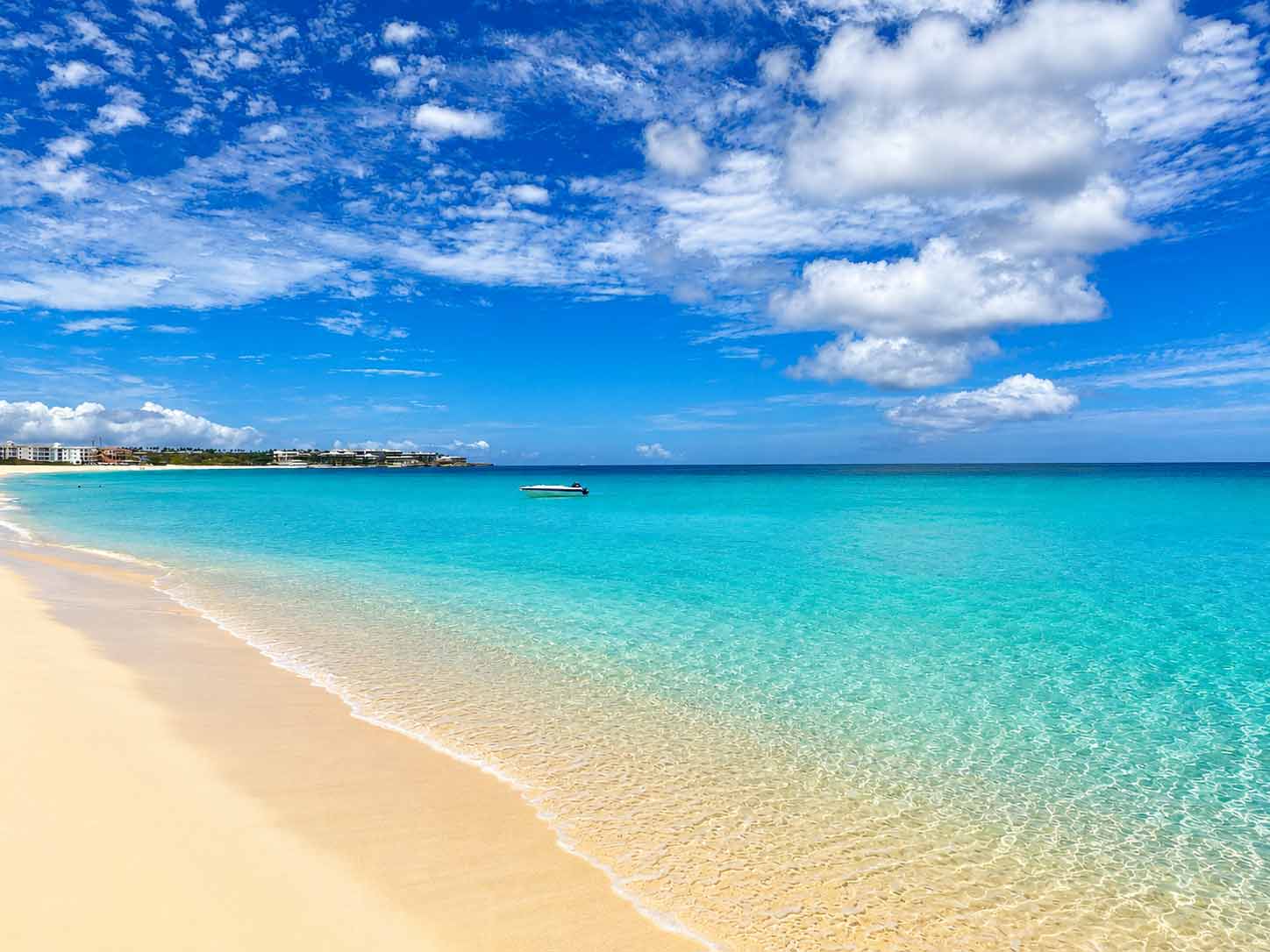
The Calmest Beaches in Anguilla Today: Live Conditions and Traveler Guide
December 4, 2025
5 min read
Share:
Jahmal Richard
Anguilla Ferry Times
There is a particular kind of disappointment that only happens on a Caribbean morning. You have heard that Shoal Bay or Rendezvous Bay is extraordinary, you step into water that looks impossibly blue, and then you feel it. The sea is restless. What should have been a calm, effortless float turns into quiet resistance against something you cannot quite see.
That experience is more common than it should be, mostly because choosing a beach by reputation alone tells you nothing about what the water is doing right now. Anguilla has around 33 public beaches, each with a different orientation, exposure, and relationship to the wind. The calmest water this morning may not be the calmest this afternoon. That is why live conditions matter.
Jahmal Richard is a born-and-raised Anguillian who frequently uses the Blowing Point ferry crossing for personal and business travel. As an experienced software engineer, he built Anguilla Ferry Times to give local and international travelers clear ferry schedules, practical trip-planning tools, and useful insights for visiting Anguilla.
How to use this guide: Check the live calmness rankings below, identify your best option, then match that choice to your plans: swimming, snorkeling, paddleboarding, or simply finding the smoothest patch of Caribbean water to float in.
Today's Calmest Beaches in Anguilla (Live Rankings)
Calmest beaches in Anguilla right now
Based on live calmness scores from across the island
The rankings update throughout the day because calmness is not fixed. A beach that feels almost glassy at eight in the morning can develop noticeable surface texture by early afternoon as the island's trade winds build. Check back before you leave.
Important
If you are heading out later in the day, refresh the rankings just before you go. A modest wind shift can meaningfully change which side of the island feels smoother, and which does not.
How Calmness Is Scored
The calmness score pulls from live inputs: wind speed, wind direction, swell energy, and each beach's natural exposure, to compare conditions across Anguilla's shorelines in real time. Geography does a lot of the work here. Some beaches are sheltered by their orientation or by the land around them. Others sit wide open to whatever is moving across the water.
Orientation matters more than most visitors expect. Rendezvous Bay sits on Anguilla's southern coast, facing toward Saint Martin, which means it often holds calmer water when northern swells are running. Meads Bay, on the northwest end of the island, is better positioned on days when southerly energy is the issue. Shoal Bay, which faces northeast, can feel the full effect of Atlantic swell during winter months. None of this is fixed. It shifts with every change in wind and sea.
What Calm Water Actually Changes
Calm water is not just a comfort preference. It changes what is possible. For swimmers it removes effort. For snorkelers it often improves visibility, because settled water means settled sand. For families with young children, it can determine whether a beach day is easy and joyful or constantly tense.
Swimming and floating: prioritise the highest calmness score for a relaxed, effortless experience.
Snorkeling: calmer conditions usually mean better visibility and more comfortable time underwater.
Families with children: calmness and a gentle shoreline entry matter more than almost anything else.
Paddleboarding: flat water makes the whole experience easier and far more enjoyable.
Reading Anguilla's Coastline
Anguilla's beaches face in nearly every direction: north, south, east, and west. That variety is what makes the island so interesting from a conditions standpoint. The southern shores, like Rendezvous Bay, open toward the calmer Caribbean channel. The northern and northeastern beaches, including Shoal Bay, face the Atlantic and can feel more energy, especially in winter. Western bays like Meads Bay face northwest and often catch the prevailing trade winds differently than the rest of the island.
Sheltered coves tucked behind headlands are often the hidden winners on a breezy day. They can hold smooth water long after the more exposed beaches have picked up a chop. That is why static lists of 'always calm' beaches are unreliable. They cannot account for what is happening in the water today.
Planning Tips for a Smoother Beach Day
Quick planning notes
Best window for calm water: earlier in the morning, before trade winds build.
Most reliable approach: check rankings right before heading out, not the night before.
If wind feels strong at your hotel: favour naturally sheltered bays on the leeward side.
If snorkeling is the priority: calmer water almost always means better visibility.
Explore Full Beach Conditions and Profiles
For deeper information on individual beaches, including detailed profiles of Anguilla's most popular shorelines, what makes each one distinct, and how they tend to behave in different conditions, visit the main beaches guide.
Why is a beach calm in the morning and choppier later?
Anguilla's trade winds tend to build as the day progresses. Even a modest increase in wind speed can create noticeable surface texture on more exposed coastlines, especially those facing north or east.
Does calm water guarantee good snorkeling?
Not always, but it helps significantly. Calmer conditions keep sand settled, which generally improves underwater visibility. Other factors also play a role: seabed type, recent swell history, and time of day.
Are these calmness rankings updated in real time?
Yes. The rankings draw on current environmental data and update throughout the day as wind and sea conditions change.
What if every beach looks rough today?
On high-wind days, every beach will feel more active than usual. The goal then becomes finding the calmest relative option: typically a sheltered cove or a beach on the leeward side of the island given the day's wind direction.
Which beaches face south toward Saint Martin?
Rendezvous Bay is one of the best examples. Its southern exposure means it tends to hold calmer water when swells are coming from the north, and it offers views across the channel toward Saint Martin on a clear day.
The Bottom Line
Anguilla's calmest beach today is not a fixed answer. It is determined by wind, swell, and the specific orientation of each shoreline at any given hour. Live rankings give you a real picture of what is happening right now, so instead of arriving and hoping, you can choose with something closer to certainty.